The Quiet Order of Water: A Calm Introduction to the Ryokan Wash Area
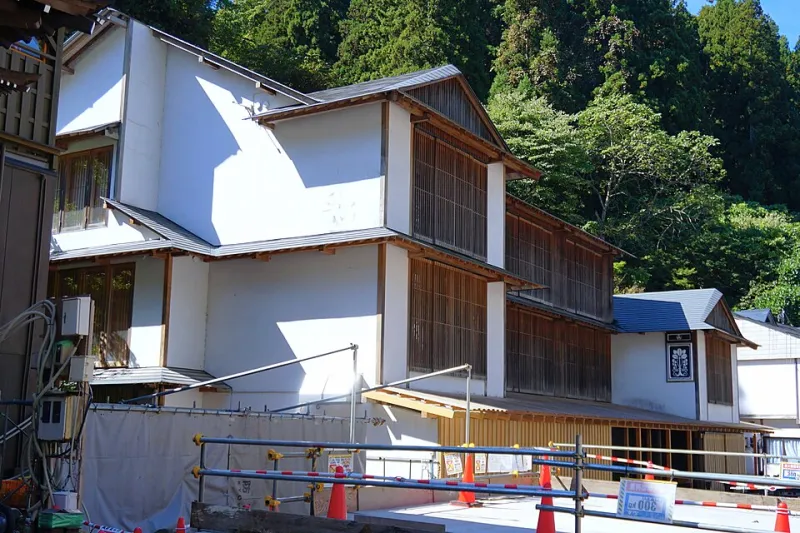
Photo: 掬茶, CC BY-SA 4.0, via Wikimedia Commons
A Threshold, Not a Test
For many travelers from the United States, the public bath is familiar in principle but foreign in practice. The gym shower, the hotel pool locker room, the spa changing area: these places have their own unspoken rules, and most of us learned them by watching. A Japanese ryokan bath asks something similar, but the setting is quieter, the expectations are more consistent, and the wash area before the soak can feel like a test of belonging. It is not. It is a courtesy, and it is designed to be used.
The wash area is where the body is cleaned before entering the communal bath. At a ryokan, the soaking tub is not for washing. It is for warmth, mineral water, and stillness. The seated washing station exists so that soap, hair, and street dust do not enter the shared water. Once that purpose is clear, the order of things becomes less mysterious. The low stool, the handheld shower, and the mirror are not ceremonial objects. They are tools for a simple task, arranged with care.
What the Wash Area Is For
Most ryokan baths are segregated by sex, and the wash area is part of the same changing room. Guests undress in the changing area, place clothing in a basket or locker, and take the small towel provided for modesty and drying. Nudity in the bath area is ordinary and unremarkable. Swimsuits are not worn. The small towel may be carried to the wash station, but it should not enter the soaking tub; it is often placed on the head or left on a ledge.
The wash area itself is a row of seated stations, usually with a low stool, a handheld shower, a mirror, and pump bottles of soap, shampoo, and conditioner. Some inns also provide facial cleanser, razors, shower caps, cotton swabs, hair ties, and combs. The station is meant for one person at a time. If all stations are occupied, wait briefly rather than crowding beside someone. The atmosphere is usually quiet, but it is not solemn. Conversation should be low, and splashing should be avoided.
The Order of Things
A first-time visitor does not need a script, but a general sequence helps. Enter the changing room, undress, and take the small towel. Walk to the wash area and choose a station with enough space. Sit on the stool rather than standing. Wet the body with the handheld shower, keeping the spray close so water does not scatter. Wash with soap, starting with the body and finishing with the hair, or in whatever order suits you. Rinse thoroughly. Check the mirror for leftover soap or shampoo. Rinse the stool and the floor around your station if they are soapy, and return the shower head to its cradle. Then enter the soaking tub slowly.
The key point is that washing happens before the bath, not inside it. Soap should never enter the communal water. Hair should be tied back if it is long, and the small towel should stay out of the tub. If you use a wash bucket, use it only at the station; it is not a vessel for carrying water into the bath. These are not obscure rules. They are the same logic of shared water that governs any public bath, expressed through a particular set of objects.
The Stool, the Shower, the Mirror
The low stool is the most distinctive element for American travelers. It is designed for seated washing, which is easier on the body and keeps the wash area orderly. Sit fully on the stool; do not stand on it. If the height is uncomfortable, ask whether a shower chair is available. Many inns keep one for guests who need it, though it may not be visible in the wash area.
The handheld shower should be tested for temperature before spraying the body. Keep the spray directed at the station, not across the aisle. Do not leave the water running while you soap. Return the shower head to its cradle when you are finished. The mirror is set at seated height, which makes shaving or checking the face easier. If you wear glasses, leave them on a ledge or in a basket rather than balancing them near the water. At busier inns, the mirror is usually part of the individual station, so there is no need to share.
What the Inn Provides and What to Bring
A well-run ryokan provides the working materials of the wash area: body soap, shampoo, conditioner, and usually a few extras such as razors, shower caps, cotton swabs, and hair ties. Towels are typically provided as well. The bath towel is often in the guest room, while the small towel may be in the room or at the bath entrance. If the arrangement is unclear, check the room guide or ask the front desk before you go.
There is little you need to bring. A hair tie is useful for long hair. A small waterproof bag can hold glasses or a room key, though many changing rooms have baskets or lockers. Leave jewelry in the room safe. Unless you have sensitive skin or a specific product preference, there is no need to bring your own toiletries; the inn expects to supply them. If you do bring your own, keep the bottles tidy and take them with you when you leave.
Reading the Room, Not Mimicking
First-time guests often worry about copying the person beside them. Observation is useful, but mimicry is not the goal. There is no single choreography. One guest may wash sitting and rinse with the shower; another may use a bucket; another may spend a long time on hair. The shared expectations are cleanliness, quiet, and consideration. Follow the general order, keep your station tidy, and do not stare. If you are unsure about a local custom, a brief glance is enough. If you are still unsure, ask a staff member before entering the bath area.
Children should be kept close and supervised. Some inns have family bath times or private baths for guests who prefer them. If the wash area is busy, wait or return later. Peak times are often before dinner and before breakfast; the dawn and late-evening hours are usually calmer. In 2026, many ryokan provide English signage and bath guides, but not all do. A little preparation goes a long way, and a calm manner goes further.
What the Wash Area Reveals About the Inn
The wash area is a practical space, and practical spaces reveal care. Look at the grout, the drainage, the condition of the stools, the clarity of the mirrors, and the labeling of the soap bottles. Are the amenities stocked? Is there a place to set glasses? Are the temperature notices clear? Is there a handrail or a shower chair for guests who need one? These details are not decorative, but they are hospitality. A well-run ryokan treats the wash area as part of the bath experience, not as a utility room attached to it.
In this sense, the wash station often says more about an inn than the soaking tub does. The tub may be beautiful, but the wash area shows how the inn handles the ordinary. Clean drains, labeled bottles, and a dry path to the bath are quiet assurances. Clutter, missing soap, or a slippery floor are quiet warnings. For a traveler who wants to enter the bathhouse confidently, the wash area is not an obstacle. It is the first place where the inn demonstrates whether it is paying attention.
A Note for First-Time Confidence
You will not be judged for not knowing the order of things. Japanese guests learn these habits over time, and inns expect visitors from abroad. The common mistakes are simple: washing in the tub, letting soap enter the bath, standing at the wash station, leaving the shower running, or taking the bath towel into the wash area instead of the small towel. If you forget something, correct it calmly. The point is not perfection. The point is clean water and consideration for the person beside you.
Approach the wash area as a threshold rather than a test. Sit, wash, rinse, tidy, and then soak. The low stool and the long mirror are there to make the process easier, not to expose your ignorance. A ryokan bath is quiet, but it is not rigid. With a little attention, the first visit becomes ordinary, and the ordinary becomes one of the pleasures of staying at a traditional Japanese inn.