The Dry Threshold: What a Japanese Inn Reveals When It Rains

Photo by Photo by Hen Kaznelson on Unsplash on Unsplash
Rain does not cancel a stay at a traditional Japanese inn so much as redraw its map. The garden may lose its visitors, the veranda its cushions, and the planned walk to the public bath may become a short, deliberate dash under a borrowed umbrella. At older ryokan, this is not an inconvenience to be apologized away. It is a daily condition of hospitality, met with stands, mats, towels, and a quiet reassessment of how guests move through the building. To read an inn in wet weather is to see how carefully it has thought about the threshold between outside and inside.
The Entrance Tells the First Truth
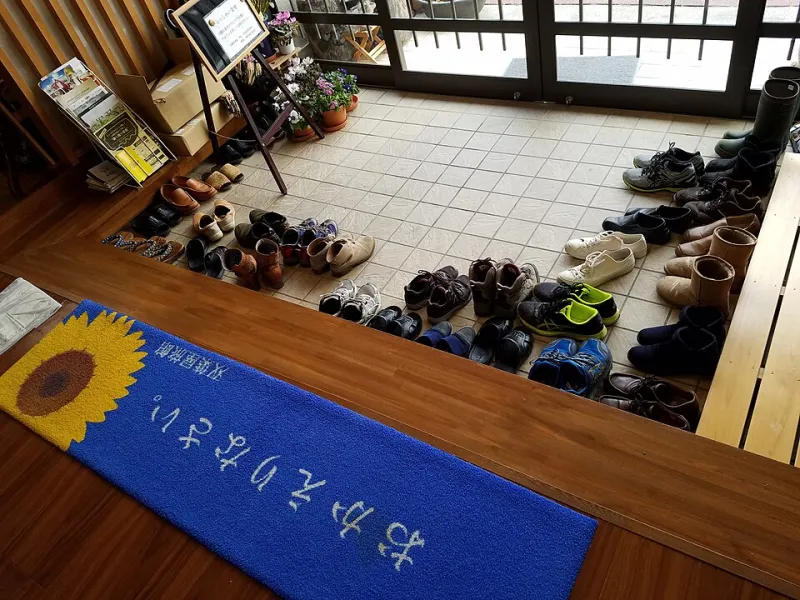
A ryokan entrance in dry weather is a place of arrival. In rain, it becomes a place of exchange. Shoes come off under the eaves. Wet umbrellas are taken at the door and placed in a stand, often with a cloth nearby for the handle. A member of staff may appear with a dry towel or a plastic sleeve for a damp bag. The gesture is modest, but it is not incidental. It shows that the inn has already considered what the guest is carrying in from the weather.
At many older inns, the umbrella is not merely stored but lent. The Japanese term kashi-gasa, or loan umbrella, describes a small but meaningful service: the inn supplies an umbrella for a short walk and expects it to return to the stand. The borrowed umbrella is a compact lesson in trust. It also tells the guest something about the surrounding area. If the inn keeps several umbrellas by the door, it likely expects guests to walk to a nearby bath, shrine, or evening restaurant, even when the weather is poor.
Corridors of Cloth and Caution
The interior of a Japanese inn is rarely designed for wet feet. Polished wood, tatami, and woven straw demand care. In rain, staff may lay absorbent runners along high-traffic passages and place towels or mats at thresholds where water might otherwise be tracked inward. The effect is temporary and practical rather than decorative. A corridor that seemed spacious in dry weather can become a narrow, careful route, with guests stepping around cloth and staff moving quietly to replace what has become damp.
This is one of the clearest ways to read an inn's habits. A well-run house does not wait for a complaint about slippery floors. It anticipates the problem at the door. The placement of a towel, the angle of a mat, the speed with which a wet patch is wiped: these are small signs of attention. They also remind the guest that a ryokan is not only a place of rest but a working house with its own choreography.
Footwear, Borrowed and Returned
Geta, the wooden sandals sometimes kept at an inn's entrance, are not usually intended for long walks. In wet weather, however, they can serve a practical purpose for short trips across a garden path or from one building to another. Their height keeps the foot above shallow puddles, and their wooden soles tolerate damp stone better than delicate indoor slippers. The guest who finds a pair set out by the door is being offered a small, old-fashioned solution to a wet day.
The rule is simple: borrowed footwear stays near the door. Slippers are for corridors and tatami; geta or outdoor sandals are for the wet ground beyond the threshold. An inn that keeps these categories clear is easier to move through in rain, and a guest who observes the boundaries helps preserve the house for everyone else.
The Bath Route Becomes the Itinerary
In fair weather, the view from the room may set the tone of a stay. In rain, the route to the bath matters more. Is the bath indoors or outdoors? Is there a covered walkway? Does the inn provide a basket or towel for the short trip? Are private baths available, and do they require reservation? These questions become practical rather than theoretical when the sky is heavy.
Older inns often have a bath building separated from the guest rooms, which can mean a short outdoor passage. On a wet day, staff may place mats along the route, lend umbrellas, or advise guests to use a particular entrance. The bath itself may be more appreciated than ever. Steam, warm water, and the sound of rain on a roof can make an indoor bath feel complete rather than second-best. The guest who planned to linger on an open-air deck may instead sit longer in the washroom, listening.
What the Rain Changes About Booking
For US travelers planning a 2026 stay, the rainy season and typhoon shoulder months require a little more forethought. Japan's tsuyu rainy season generally runs from early June to mid-July, though timing varies by region. Typhoon activity is most common from late summer into early fall, with August and September often drawing the most attention. A ryokan stay during these periods can be deeply atmospheric, but it should be booked with flexibility in mind.
Choose a rate with a clear cancellation policy, and read the window carefully. Ask whether the inn provides umbrellas, drying space for shoes, or laundry service. Confirm whether the bath is indoors, outdoors, or both, and whether private baths can be reserved. Allow extra time for rail transfers and consider travel insurance that covers weather disruption. Pack quick-drying shoes and a compact rain layer; the inn may lend an umbrella, but it will not lend a whole wardrobe.
The most useful preparation is not weatherproofing every hour. It is accepting that rain will change the schedule. A planned walk may become a longer bath. A garden view may become a view of steam on glass. The inn is already arranged for this. The guest only needs to follow the dry path it has prepared.
A Season of Practical Grace
A rainy day at a Japanese inn is not a lesser day. It is a more concentrated one. The umbrella stand, the towel at the threshold, the geta by the door, and the covered route to the bath all speak to the same principle: hospitality is often a matter of removing small frictions before the guest notices them. In wet weather, that principle becomes visible. The inn is not merely sheltering its guests from the rain. It is teaching them how to move through it with care.