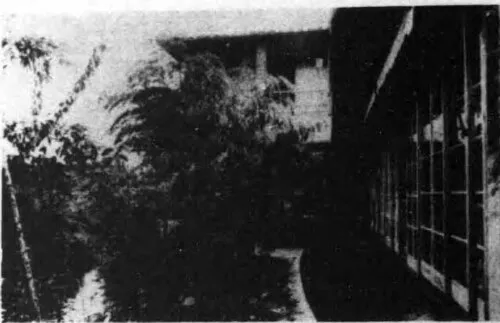
Warmth Without Walls: A Winter Guide to Older Japanese Inns

Photo by Photo by Lucas Calloch on Unsplash on Unsplash
For many travelers from the United States, the first winter ryokan brochure raises a quiet question: how can a building with paper screens and long wooden corridors be comfortable in January? The answer is not that the paper is secretly modern insulation. It is that older Japanese inns distribute warmth differently from the central-heating hotels Americans may be used to. Heat is localized, timed, and layered. Once a guest understands that room-scale rhythm, a winter stay becomes not merely possible but deeply pleasant.
As of November 2026, winter 2026–2027 bookings are already taking shape at many traditional properties. The guidance below is intended for travelers considering an older inn—especially one with architectural character rather than a recent rebuild—and who want reassurance without unrealistic promises.
Paper Screens Are a Climate Tool, Not a Liability
Shoji screens are often misunderstood by first-time visitors. They are not the whole wall in most traditional rooms. At night, wooden storm shutters known as amado may be drawn across the exterior; sliding fusuma panels may close off adjacent rooms; and heavier curtains or inner glass may supplement the paper. The result is a series of layers rather than a single barrier.
That said, not every older inn has every layer. A room facing a garden may rely on amado and thick futons; a corridor may remain cool by design. Before reserving, ask whether the guest room has amado, whether the shoji are backed by glass, and whether the room has its own heating controls. These are ordinary questions in the Japanese hospitality industry, and a well-run inn will answer them plainly.
Heat Where You Sit, Not Where You Stand
In many traditional inns, the memorable warmth is not uniform. It gathers where people gather. A kerosene stove may warm a common lounge or dining area; a kotatsu—a low table with a heater beneath and a quilt over it—may anchor a seating corner. Some rooms offer heated tables or chair cushions. The point is not to heat every cubic foot of air but to make the places where guests pause genuinely warm.
This is why a winter ryokan can feel chilly in the corridor and comfortable at the dinner table. Travelers who expect a constant hotel-room temperature may read the first cool hallway as a warning sign. It is usually not. It is a cue to move toward the heated part of the room, to close the fusuma behind you, and to dress for the passage between one warm zone and the next.
The Futon Is a System, Not a Single Blanket
A ryokan futon is often described as bedding on the floor, but in winter it is better understood as a small system. There is the shikibuton beneath you, the kakebuton over you, and often an additional layer or electric blanket depending on the inn. The tatami floor can feel cool from below, so a proper underlay matters. Ask whether extra bedding is available and whether the room has an electric blanket or heated carpet.
For US travelers accustomed to deep mattresses and heavy duvets, the first night may feel firm and initially cool. Give it time. Body heat builds in a well-made futon, and the layered textile approach is effective. Packing a thermal base layer for sleeping is a sensible precaution—not a sign that the inn is inadequate.
The Bath Is the Warm Core of the Evening
In winter, the onsen is not merely an amenity; it is the warm center of the stay. Many older inns operate baths on a schedule rather than around the clock. Evening bathing may end at a fixed hour, and morning bathing may begin early. Ask for the bath hours at check-in and plan dinner and sleep around them rather than assuming a late-night soak.
A bath before dinner warms the body for the walk back through cool corridors; a morning bath before breakfast is a gentler start. Guests should dry hair thoroughly before bed, especially in older buildings where the bedroom may be cooler than the bath changing room. Private or family baths, where available, can make winter bathing easier for travelers who dislike moving between communal spaces in the cold.
Layering a Yukata for Real Winter
The yukata provided by a ryokan is comfortable indoors, but it is not winter outerwear. The practical approach is to wear a thermal base layer beneath it, add warm socks, and use any provided haori jacket or padded tanzen robe. If the inn does not provide one, a warm cardigan or fleece is entirely acceptable in the room. Never wear a damp yukata to bed; ask for a replacement if needed.
Slippers are useful in corridors but should not be worn on tatami. A pair of warm socks is therefore more valuable than elaborate footwear. For the short walk to the bath, many guests carry a small towel and wear the inn's slippers or sandals only where appropriate.
Questions to Ask Before Reserving an Older Property
A respectful reservation inquiry can prevent most winter discomfort. Ask what heating is used in the guest room—kerosene stove, air conditioner, floor heating, or a combination. Ask whether the room has amado and whether the bath hours include morning access. Ask whether extra futon layers are available and whether meals are served in a heated dining room or in the guest room. For travelers with respiratory sensitivities, ask whether kerosene heating is used in the room itself.
It is also fair to ask about snow access and whether the inn provides boots or umbrellas. None of these questions are fussy. They are the ordinary vocabulary of winter travel in older buildings.
What to Pack, Briefly
Bring thin thermal base layers, warm socks, a compact scarf for corridors, and a warm mid-layer that can be removed during meals. Moisturizer and lip balm help in dry heated air. A small eye mask is useful if shoji let in early light. Most importantly, bring the expectation of variation: warm near the kotatsu, cool near the window, warm again in the bath. That is not a flaw in the inn. It is the older Japanese inn's winter logic, and it rewards a traveler who dresses for it.